
What a Bankable Solar Project Looks Like?
Discover what makes a bankable commercial solar project in the Philippines, from engineering and EPC standards to long term performance and reliable energy savings.
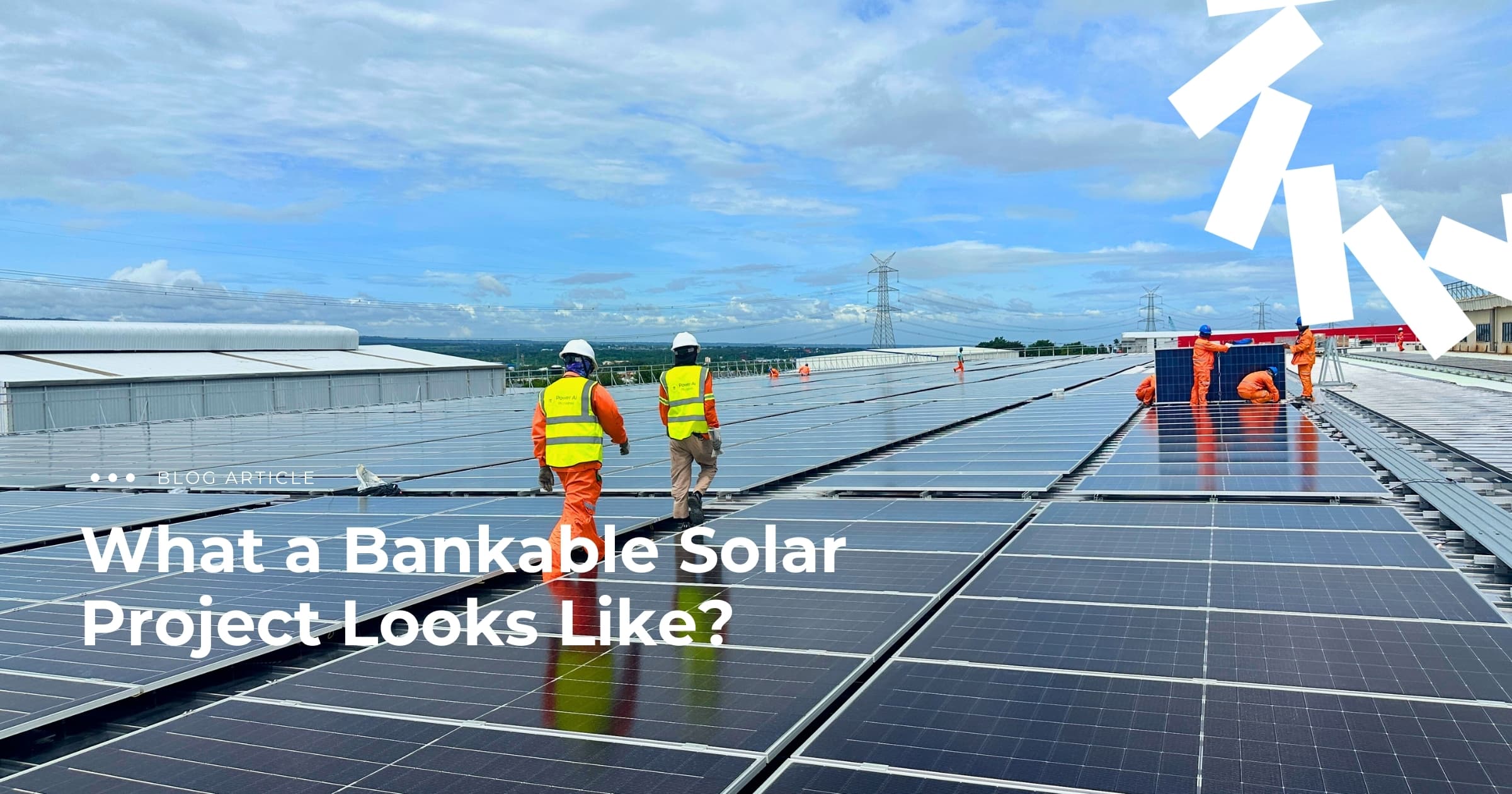
Not all solar projects are created equal.
While many systems look similar on paper, only a few are considered bankable, designed to deliver consistent performance, predictable savings, and long-term reliability.
For businesses, understanding what makes a solar project bankable can mean the difference between a smart investment and an operational liability.
What Does “Bankable” Really Mean?
A bankable solar project is one that:
Is designed to perform consistently over decades
Meets strict technical, financial, and safety standards
Is trusted by financiers, large enterprises, and institutional investors
In simple terms, it’s a solar system built to protect your business, not just reduce your electric bill.
The Core Elements of a Bankable Solar Project
1. Proper Site Assessment
Every facility is different. A bankable project starts with:
Accurate load analysis
Structural evaluation
Shading and production modeling
Assumptions lead to risk. Data leads to confidence.
2. High-Quality, Proven Components
Panels, inverters, and mounting systems must be:
Tier-1 or industry-proven
Supported by strong warranties
Matched correctly to the site and usage profile
While cheaper upfront, low-cost components often fail sooner, undermining savings and impacting operations.
3. Bankable Engineering & Design
Design is where most projects succeed or fail.
Conservative performance estimates
Safety-first layouts
Compliance with standards and regulations
A well-designed system protects both output and people.
4. Quality Execution and Installation
Even the best design fails without proper execution.
Skilled installation teams
Strict quality control
Clear documentation and testing
Bankable projects are developed through a disciplined, methodical process rather than being rushed to completion.
Beyond Installation: Long-Term Performance Matters
A common misconception is that solar ends at commissioning. In reality:
Monitoring ensures performance stays on track
Preventive maintenance reduces downtime
Early issue detection protects projected savings
Without proper O&M, even high-quality systems degrade faster.
The Risk of Non-Bankable Projects
Non-bankable projects may work initially but risks surface over time:
Unexpected downtime
Missed savings projections
Costly repairs or early system failure
For businesses, these risks can disrupt operations and erode trust in renewable investments.
Why Bankability Equals Business Stability
Bankable solar projects aren’t designed for quick wins. They are built for long-term operational stability, predictable energy costs, and sustained savings.
When solar is treated as critical infrastructure rather than a commodity, performance, reliability, and long-term value all improve.
Final Thought
The true value of solar isn’t measured on day one. It’s measured over years of consistent performance.
Related Topics
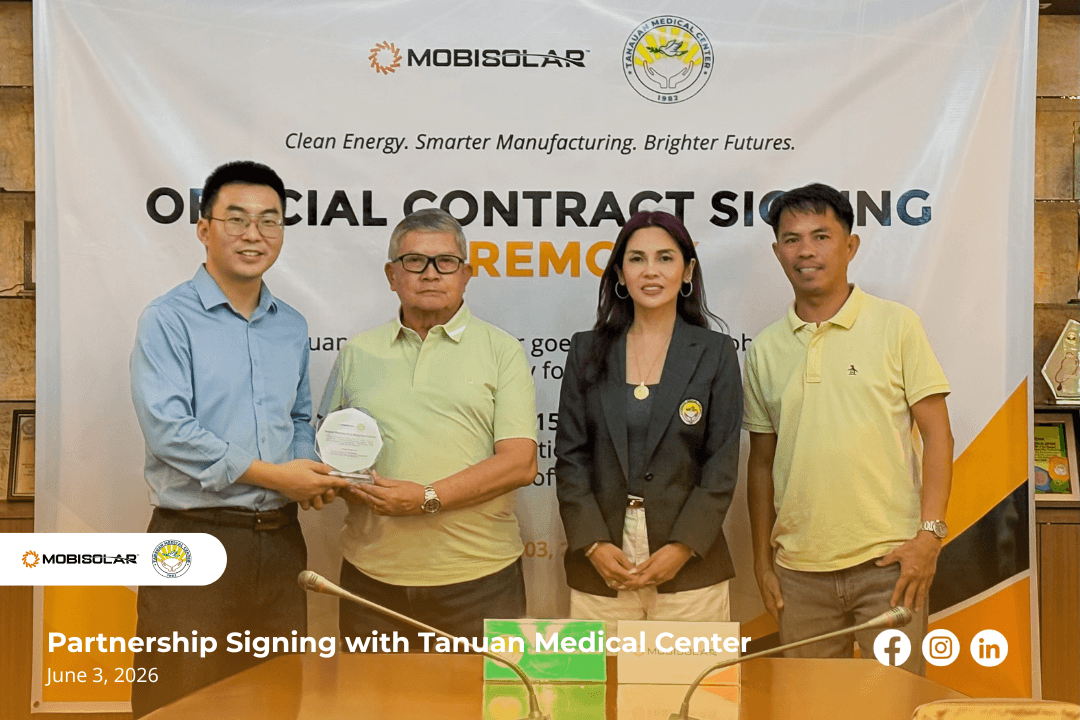
Mobi Solar Philippines and Tanauan Medical Center - Powering Healthcare with Clean Energy
June 9, 2026
Solar for Business in the Philippines: What Decision-Makers Need to Know in 2026
January 8, 2026

Mobi Solar Philippines and Long Neng Power Formalize Joint Venture to Accelerate Solar Energy Development in the Philippines
January 5, 2026