
Solar for Business in the Philippines: What Decision-Makers Need to Know in 2026
A concise guide for Philippine business leaders on solar models risks ROI and long term energy strategy in 2026.
For many Philippine businesses, energy is no longer just an operational cost. It is a strategic risk. Electricity prices remain volatile, grid reliability continues to be a concern, and sustainability expectations from investors, partners, and customers are increasing. As we enter 2026, solar energy is no longer a nice to have initiative. It is a business infrastructure decision.
But for decision makers, the real challenge is not whether to go solar. It is how to do it right.
Why 2026 Is a Turning Point for Commercial Solar
Several factors are converging:
Rising and unpredictable power costs that directly affect margins
Operational disruptions caused by grid instability
Pressure to meet ESG and sustainability commitments
Increased scrutiny on long-term financial decisions
Solar is increasingly viewed not as a sustainability project, but as a way to stabilize energy costs and reduce long-term exposure to risk.
Understanding the Main Solar Models
One of the biggest barriers to adoption is confusion around solar models. Here’s a simplified breakdown:
EPC (Engineering, Procurement, Construction): Best for businesses with available capital who want full ownership.
Higher upfront investment
Higher long-term returns
Full responsibility for maintenance unless paired with O&M
PPA (Power Purchase Agreement): Best for businesses that prefer operational expense over capital expense.
No upfront cost
Pay only for power generated
Solar becomes a predictable utility, not an asset on the balance sheet
O&M (Operations & Maintenance): Critical for long-term performance.
Ensures system reliability
Protects projected savings
Often overlooked, but essential
The right model depends on your financial structure, risk appetite, and long-term goals, not just headline.
What Decision-Makers Should Really Evaluate?
Beyond pricing, smart businesses assess solar through a strategic lens:
Return on Investment (ROI) over the system’s lifetime
System reliability and uptime, not just capacity
Quality of engineering and design, tailored to your facility
Long-term accountability, not just installation Solar is a 10–20 year decision. Short-term thinking often leads to long-term regret.
What Smart Businesses Do Differently?
Experienced organizations approach solar as they would any critical asset:
They choose partners, not vendors
They prioritize bankability and long-term performance
They align solar strategy with business objectives, not just sustainability g
In 2026, solar success is less about panels and more about planning.
Final Thought
Before investing in solar, make sure your energy strategy supports your business strategy. The right decisions today shape stability tomorrow.
Related Topics
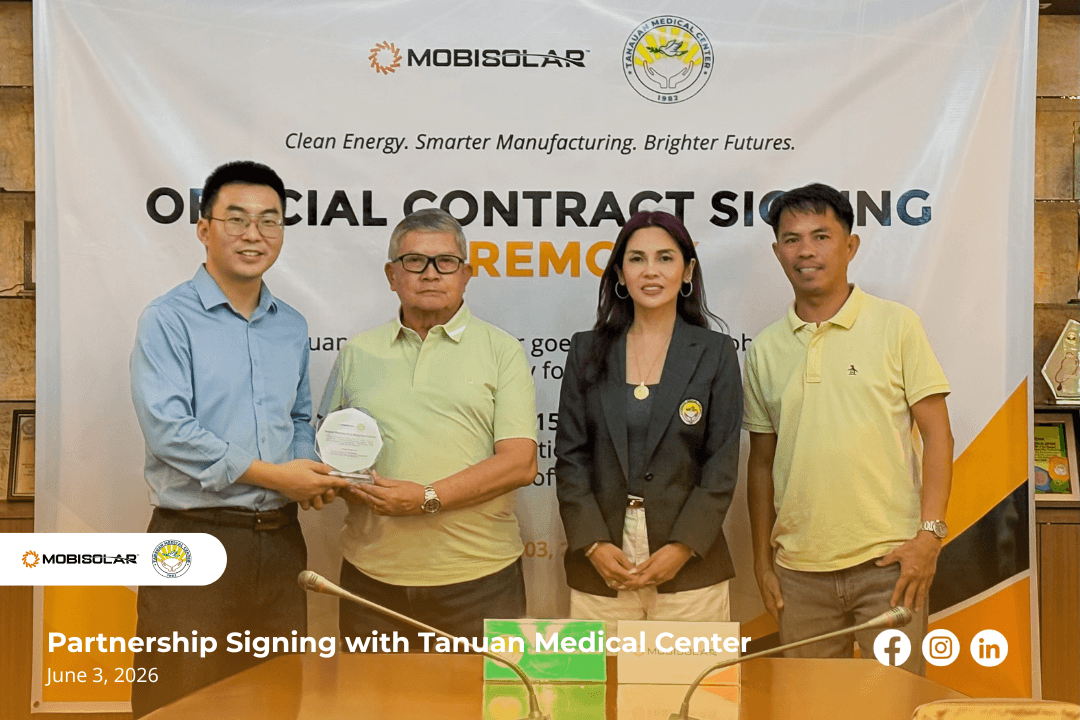
Mobi Solar Philippines and Tanauan Medical Center - Powering Healthcare with Clean Energy
June 9, 2026
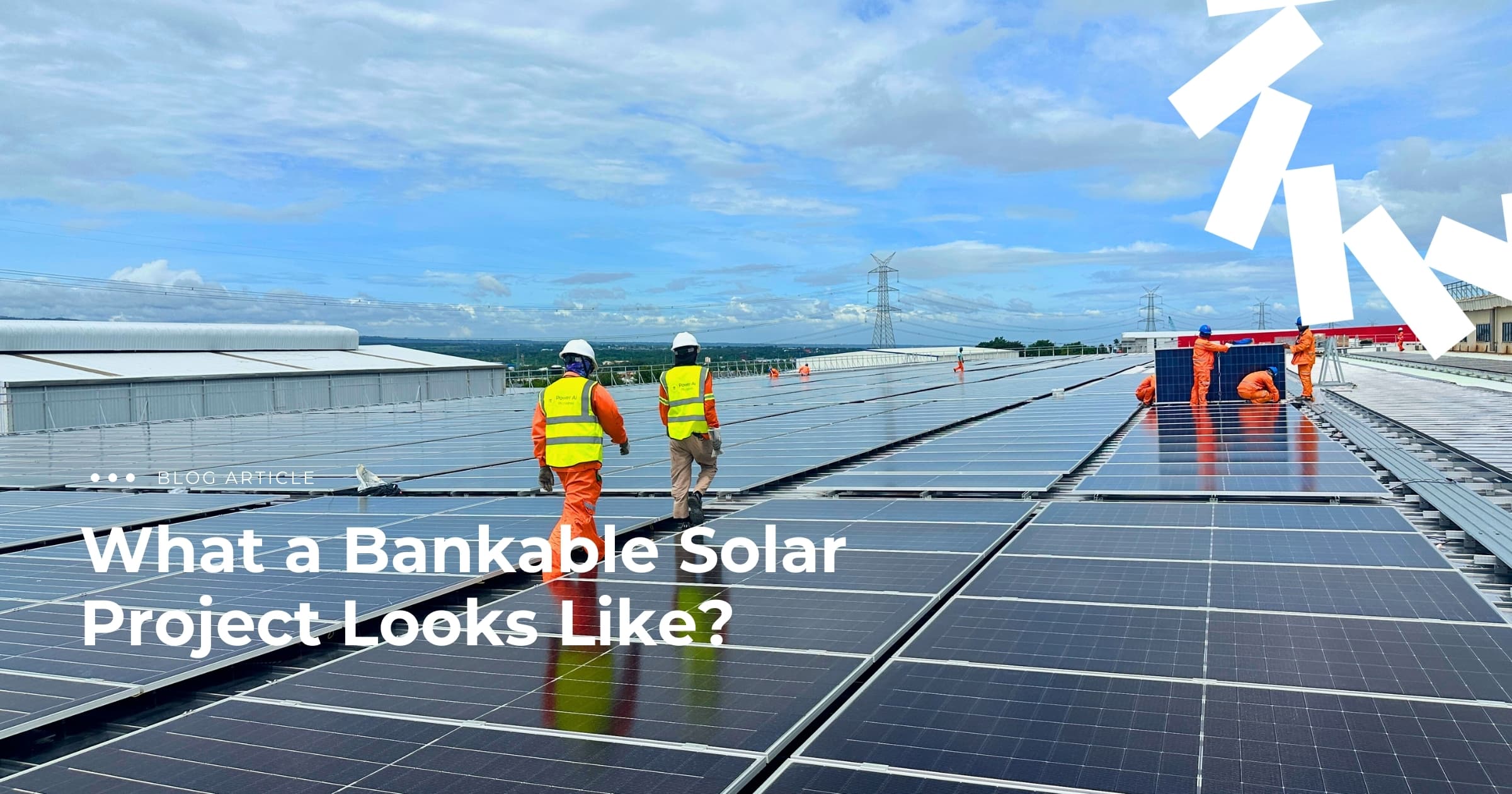
What a Bankable Solar Project Looks Like?
January 20, 2026
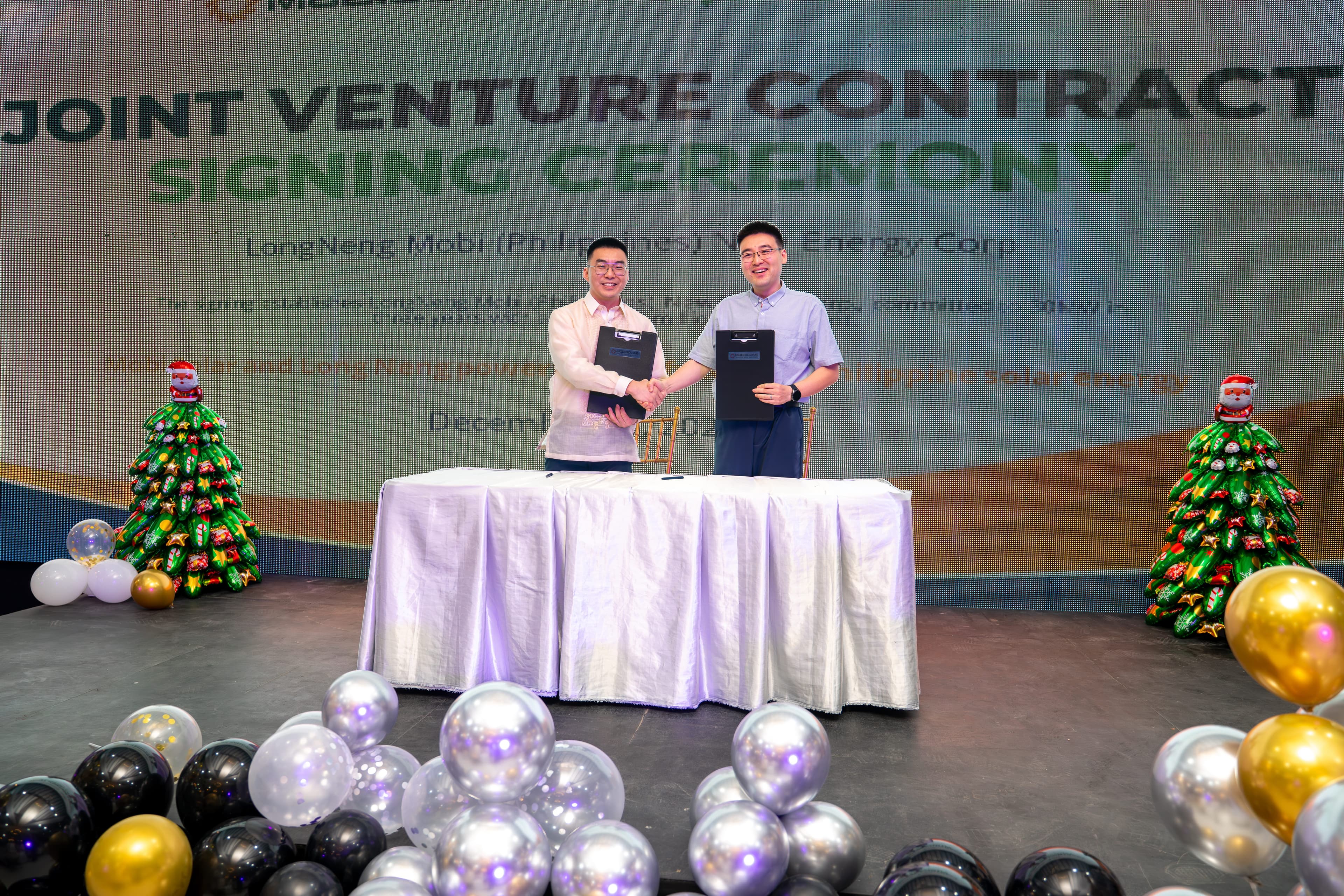
Mobi Solar Philippines and Long Neng Power Formalize Joint Venture to Accelerate Solar Energy Development in the Philippines
January 5, 2026